Are you ever annoyed by a creeping or itching feeling in your legs? Do you often feel an urge to move your legs while sitting or lying in bed? These symptoms can keep you from falling asleep at night. Or they may wake you up. You may then feel tired during the day. If you have these problems, talk with your healthcare provider. You may have restless legs syndrome. Your provider can advise a treatment plan to help you feel and sleep better.
Restless legs syndrome (RLS)
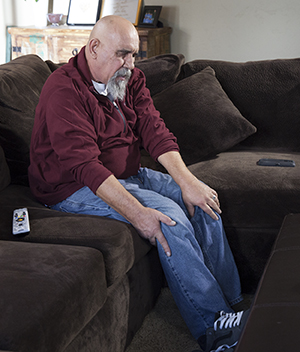
RLS is a creeping, crawly, or jumpy feeling in the legs. It makes you want to move them. Symptoms of RLS often occur when you are sitting or sleeping. This discomfort can keep you from falling asleep. In severe cases, you may also have symptoms in your arms.
RLS is more common in older people. It also tends to run in families. An iron deficiency, diabetes, or kidney problems can contribute to RLS.
Pregnancy has been linked to a temporary form of RLS. Symptoms most often occur during the third trimester and go away 1 month after giving birth.
Periodic limb movement of sleep (PLMS)
Many people with RLS also have PLMS. This condition causes sudden, repetitive leg jerking during sleep. The person you sleep with is often the one who notices it. Your legs may jerk many times during the night. You and your partner may both have trouble sleeping and feel tired in the morning. PLMS shouldn’t be confused with the normal leg or body twitching many people have when first falling asleep.
Treatments for RLS
If RLS causes poor sleep and daytime symptoms, your healthcare provider may advise 1 or more of these treatments:
-
Medicines for RLS
-
Iron pills, if you can tolerate the side effects
-
Lifestyle changes (see below)
Also talk with your healthcare provider about the medicines you take. Some medicines may contribute to RLS, such as those for depression or nausea.
Healthy lifestyle tips
These healthy lifestyle tips may help ease RLS symptoms.
-
Reduce your stress levels. Do activities that help relax your muscles and calm your mind. Try deep breathing, yoga, or meditation.
-
Be physically active. Regular exercise can help reduce stress. It can also give you more energy during the day and help you feel more tired at bedtime. Try not to exercise at night. It may affect how well you sleep.
-
Limit caffeine and alcohol. They can make symptoms worse. So, too, can nicotine. If you need help quitting smoking, talk with your healthcare provider.
-
Keep a regular sleep schedule. Go to bed and get up at the same time each day. These other healthy sleep habits may help, too:
-
Don't take naps or limit napping.
-
Make sure your bedroom is quiet, dark, and not too hot or too cold.
-
Use your bed for only sleep and sex.
-
-
For short-term relief of RLS symptoms, try:
-
Rubbing your legs
-
Getting a massage
-
Taking a hot or cold bath
-
Doing activities that work the muscles in your legs or hands
-